All health claims are supposed to be based on what is deemed “substantial” evidence, but even when there is such evidence it doesn’t necessarily mean that a given food is a healthy choice for an individual.
Two comprehensive studies concluded that replacing saturated fat with polyunsaturated fat or high-fibercarbohydrates is likely to reduce the risk of heart disease.
Different people derive different amounts of calories from the same food, determined by individual factors. One such factor is the gut microbiome, which varies widely.
When evaluating a product at the grocery store, ignore the pretty packaging and any claims on the front of the package. Instead, flip the package over to inspect the nutrition facts label, and look at the ingredients.
More than half of the parents in a study said they looked for “reduced sugar” products, but most didn’t realize that the natural sugar had been replaced by artificial sweeteners (also called “non-nutritive”).
Ultra-Processed Foods includes such things as sodas, candies, cookies, sweetened breakfast cereals, fish nuggets, packaged instant soups or desserts, baby formula, salty packaged snacks and many other products aggressively marketed to consumers.
Researchers investigated how the differences in the physical structure of cell walls from wheat and chickpeas affected how much starch in the cells was digested.
Corporations are armed with factories and laboratories, with brands and trademarks and marketing departments. And they have created a new sort of food: the ultra-processed variety.
A study found that a diet centered on fruits and vegetables was associated with lower post-meal blood glucose levels and may be a factor in reducing higher levels of glucose seen with prolonged periods of inactivity.
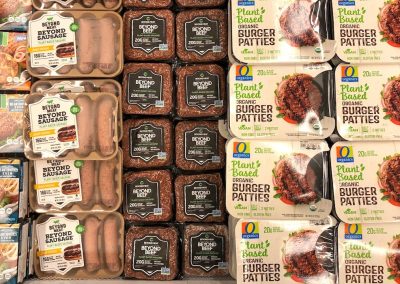
The most common reasons people in Europe, the U.S. and Canada give for eating plant-based food are the health benefits, curiosity to try new food, environmental concerns and animal welfare.