Poor diets increase the risk of deaths from COVID-19 and other communicable diseases, a long-time concern that has greater significance than ever as a pandemic sweeps the planet.
Then there’s chocolate type: dark, milk, or white. These differ primarily in the amount of real cocoa solids versus cocoa butter and addition of sugar.
The large-scale manufacturing of sucrose and high-fructose corn syrup means these industrial sugars have now become ubiquitous in the processed foods that fill grocery aisles.
For dietary supplements, food manufacturers must provide evidence that a structure/function claim is truthful and not misleading. But surprisingly, this is NOT true of conventional food.
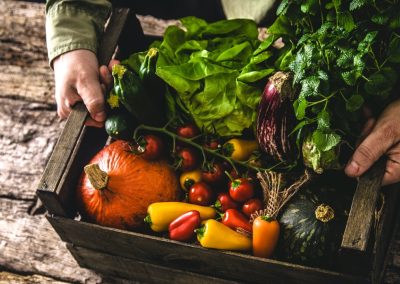
If you’re looking to incorporate more organic foods in your diet, a good place to start is with the “dirty dozen,” a list released annually by the Environmental Working Group, which ranks the pesticide contamination of 46 popular fruits and vegetables.
Good question. The majority of clinical studies performed thus far report no significant effects or beneficial effects of artificial sweeteners on body weight and glycemic control.
Whether a fatty acid chain is saturated or unsaturated makes a big difference in the ways in which it can participate in chemical reactions and be used as building blocks in the body.
Too long ignored by nutritionists, the concept of a food’s structural matrix is crucial to correctly assess its health potential, especially at a time when ultra-processed products have flooded supermarket shelves.
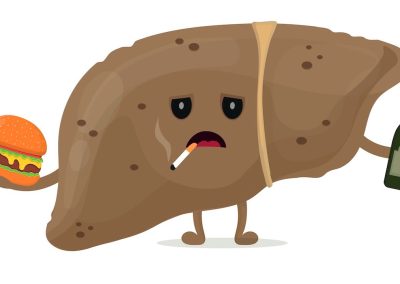
The liver is a workhorse, but that doesn’t mean it can’t get overworked. When it does, that can be a serious problem. There are three primary ways it generally happens.
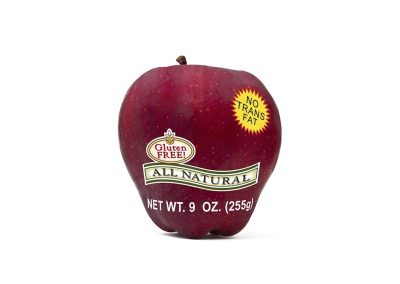
There are three major categories of nutrient content claims, and we’re going to talk about two of them in this article. To understand the categories, it is important to understand the difference between a food, an ingredient, and a nutrient.