Unfortunately, because of confusing and sometimes misleading food labels, people who think they are selecting the most wholesome products for themselves and their families may be mistaken.
The group most likely to contract diabetes and other health problems were those who ate a more Westernized diet of fast food, alcoholic beverages and desserts.
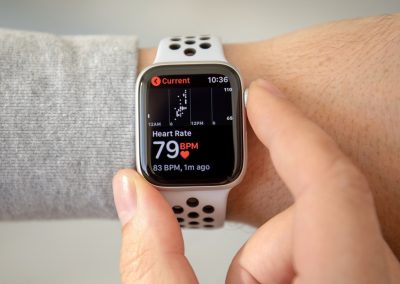
The first wristwatch that could measure blood glucose was introduced in 2001, and since that time a number of companies have developed their own devices.
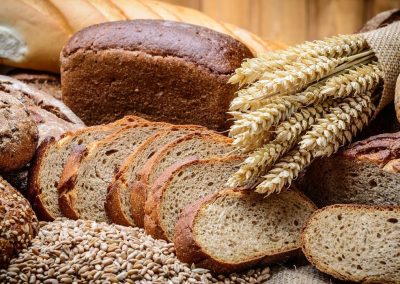
A study which followed 135,000 participants over a period of nine years resulted in a recommendation that “lower consumption of refined grains should be considered.”
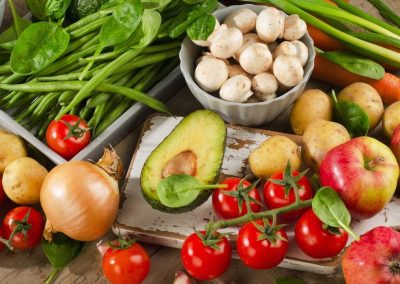
Study findings suggest that three servings of vegetables and two of fruit—excluding peas, corn, fruit juices and potatoes—provide the lowest risk of long-term mortality.
The most common reasons people in Europe, the U.S. and Canada give for eating plant-based food are the health benefits, curiosity to try new food, environmental concerns and animal welfare.
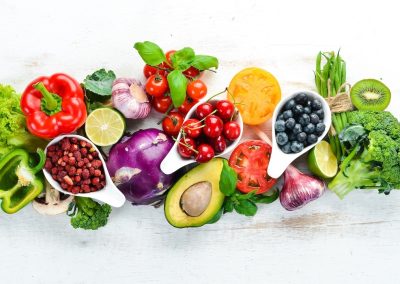
A study found that a diet centered on fruits and vegetables was associated with lower post-meal blood glucose levels and may be a factor in reducing higher levels of glucose seen with prolonged periods of inactivity.
Corporations are armed with factories and laboratories, with brands and trademarks and marketing departments. And they have created a new sort of food: the ultra-processed variety.
Researchers investigated how the differences in the physical structure of cell walls from wheat and chickpeas affected how much starch in the cells was digested.
Ultra-Processed Foods includes such things as sodas, candies, cookies, sweetened breakfast cereals, fish nuggets, packaged instant soups or desserts, baby formula, salty packaged snacks and many other products aggressively marketed to consumers.
More than half of the parents in a study said they looked for “reduced sugar” products, but most didn’t realize that the natural sugar had been replaced by artificial sweeteners (also called “non-nutritive”).