For dietary supplements, food manufacturers must provide evidence that a structure/function claim is truthful and not misleading. But surprisingly, this is NOT true of conventional food.
If you’re looking to incorporate more organic foods in your diet, a good place to start is with the “dirty dozen,” a list released annually by the Environmental Working Group, which ranks the pesticide contamination of 46 popular fruits and vegetables.
Whether a fatty acid chain is saturated or unsaturated makes a big difference in the ways in which it can participate in chemical reactions and be used as building blocks in the body.
Too long ignored by nutritionists, the concept of a food’s structural matrix is crucial to correctly assess its health potential, especially at a time when ultra-processed products have flooded supermarket shelves.
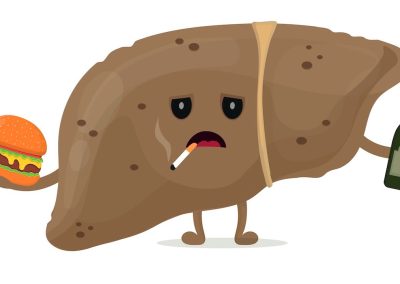
The liver is a workhorse, but that doesn’t mean it can’t get overworked. When it does, that can be a serious problem. There are three primary ways it generally happens.
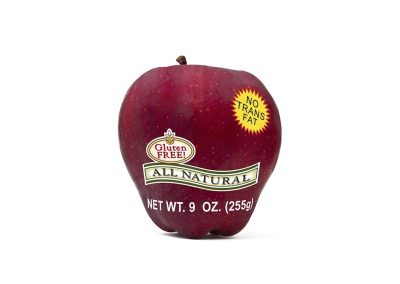
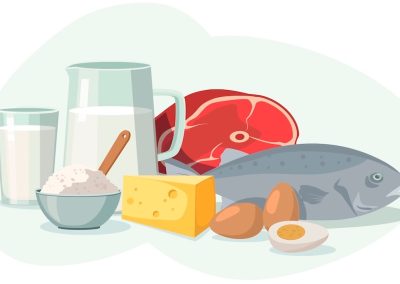
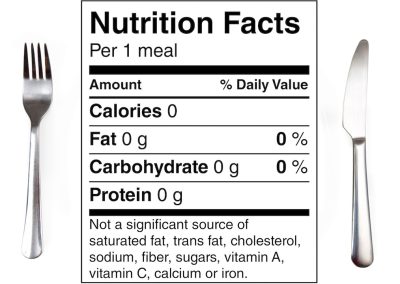
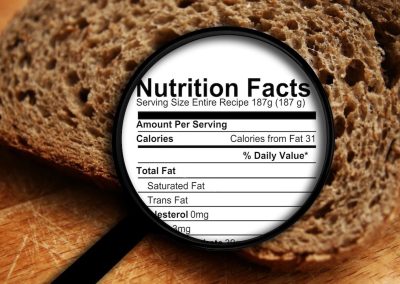
There are three major categories of nutrient content claims, and we’re going to talk about two of them in this article. To understand the categories, it is important to understand the difference between a food, an ingredient, and a nutrient.
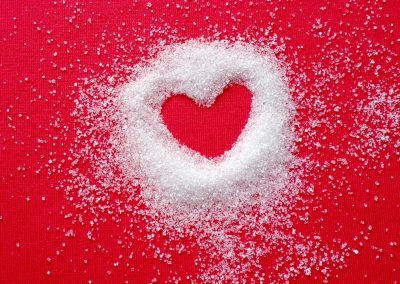
When we eat sugar in its simplest form, such as sucrose (a combination of a glucose and fructose molecule), there is no chain to break down. So instead, a flood of sugar is released into the bloodstream all at once. We often feel this as an energy rush.
All health claims are supposed to be based on what is deemed “substantial” evidence, but even when there is such evidence it doesn’t necessarily mean that a given food is a healthy choice for an individual.
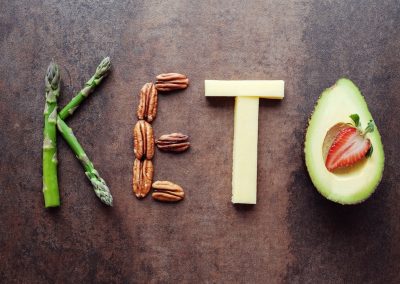
When you’re on a low carbohydrate, high fat diet, the amount of ketones being generated increases to a level that is usually described as a state of ketosis (keto = ketones, osis = a condition).
Two comprehensive studies concluded that replacing saturated fat with polyunsaturated fat or high-fibercarbohydrates is likely to reduce the risk of heart disease.