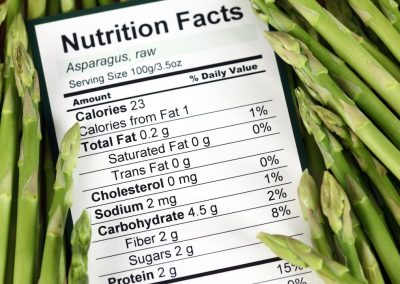
Counting calories? How much the ingredients in a food product have been processed and how it is prepared can change how many calories your body will actually get from it. Don't count on a label to make this clear.
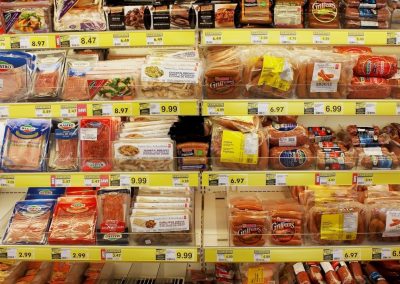
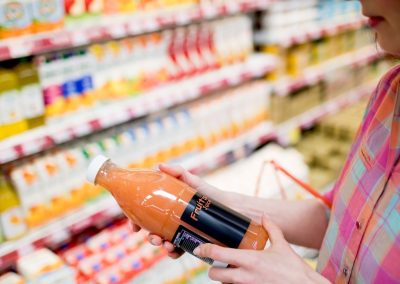
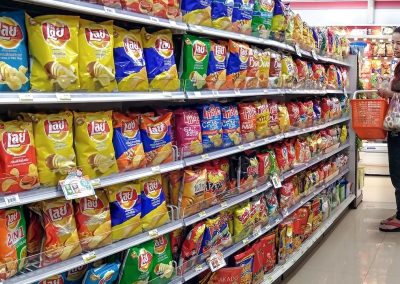
Perhaps it goes without saying that you won't find ultra-processed foods in local farmers' markets. But, you will readily find them in the center aisles of most supermarkets. To avoid them, shop the perimeters of the stores.
If we were to ask individual participants of either diet whether their diet "worked" for them we'd get a wide range of positive and negative responses.
Poor diets increase the risk of deaths from COVID-19 and other communicable diseases, a long-time concern that has greater significance than ever as a pandemic sweeps the planet.
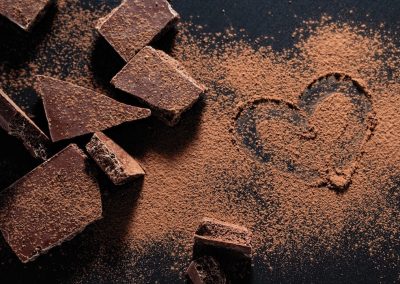
Then there’s chocolate type: dark, milk, or white. These differ primarily in the amount of real cocoa solids versus cocoa butter and addition of sugar.
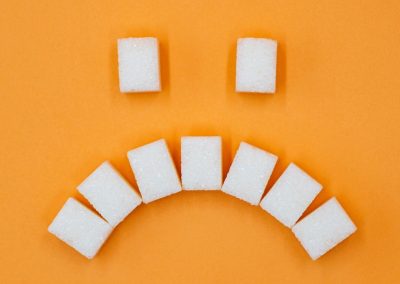
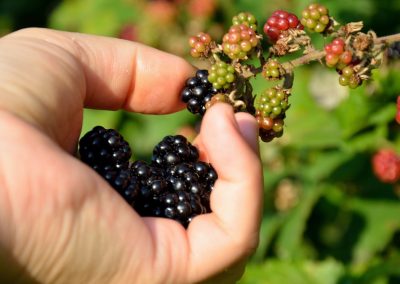
In nature, sweetness signals the presence of sugars, an excellent source of calories. So foragers able to perceive sweetness could detect whether sugar was present in potential foods, especially plants, and how much.
In reality, most nutrition science is blurred, contains no controls, and does not follow the experimental method, much less being double-blind or even randomized.
The large-scale manufacturing of sucrose and high-fructose corn syrup means these industrial sugars have now become ubiquitous in the processed foods that fill grocery aisles.