In reality, most nutrition science is blurred, contains no controls, and does not follow the experimental method, much less being double-blind or even randomized.
The large-scale manufacturing of sucrose and high-fructose corn syrup means these industrial sugars have now become ubiquitous in the processed foods that fill grocery aisles.
Good question. The majority of clinical studies performed thus far report no significant effects or beneficial effects of artificial sweeteners on body weight and glycemic control.
Industry-led reformulation has become a public relations strategy—a goodwill gesture that enhances the dominance and legitimacy of the ultra-processed food category.
Whether a fatty acid chain is saturated or unsaturated makes a big difference in the ways in which it can participate in chemical reactions and be used as building blocks in the body.
A study in the Journal of the American Heart Association estimated that four health conditions that could be improved by diet—diabetes, obesity, high blood pressure and heart failure—were a factor in nearly two-thirds of COVID hospitalizations.
Too long ignored by nutritionists, the concept of a food’s structural matrix is crucial to correctly assess its health potential, especially at a time when ultra-processed products have flooded supermarket shelves.
When we eat sugar in its simplest form, such as sucrose (a combination of a glucose and fructose molecule), there is no chain to break down. So instead, a flood of sugar is released into the bloodstream all at once. We often feel this as an energy rush.
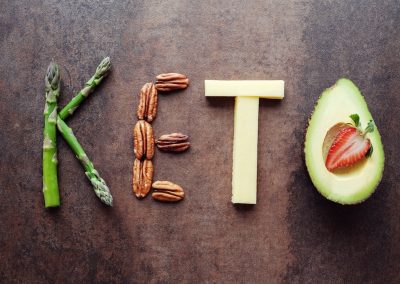
When you’re on a low carbohydrate, high fat diet, the amount of ketones being generated increases to a level that is usually described as a state of ketosis (keto = ketones, osis = a condition).
Two comprehensive studies concluded that replacing saturated fat with polyunsaturated fat or high-fibercarbohydrates is likely to reduce the risk of heart disease.