Study findings suggest that three servings of vegetables and two of fruit—excluding peas, corn, fruit juices and potatoes—provide the lowest risk of long-term mortality.
A study which followed 135,000 participants over a period of nine years resulted in a recommendation that “lower consumption of refined grains should be considered.”
Addressing the factors that lead to diabetes and heart disease could reduce hospitalizations, deaths and strains on the health care system not only for COVID-19 but for “future pandemics to come.
Preclinical studies and clinical trials have shown that intermittent fasting has broad-spectrum benefits for many health conditions, such as obesity, diabetes mellitus, cardiovascular disease, cancers, and neurologic disorders.
A survey of 1,000 primary care physicians found significant gaps in the group’s overall knowledge of risk factors, diagnostic criteria and recommended management/prevention practices for prediabetes.
The American College of Cardiology now says that saturated fats do not contribute to cardiovascular disease and actually have some role in reducing stroke.
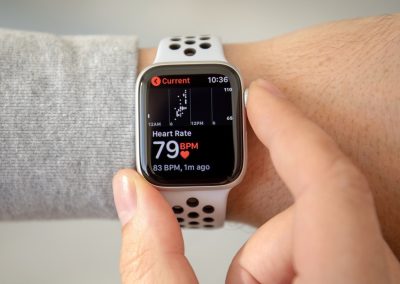
The first wristwatch that could measure blood glucose was introduced in 2001, and since that time a number of companies have developed their own devices.
A study team found that Type 2 Diabetes was a more significant factor in contracting heart disease than age, education, sex, body mass index, smoking, even genetics and early life experiences.
While insulin resistance is most often associated with diabetes, it can also cause a host of other complications … Alzheimer's disease being one of those.