Different people derive different amounts of calories from the same food, determined by individual factors. One such factor is the gut microbiome, which varies widely.
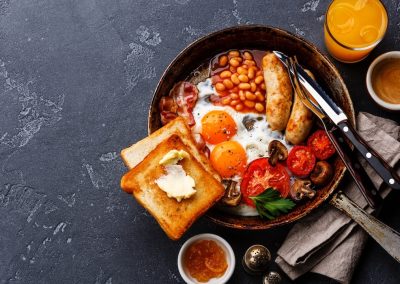
The health benefit of breakfast has now been completely debunked by a new systematic review and meta-analysis of 11 randomised trials that investigated the impact of skipping breakfast on weight and metabolic rate.
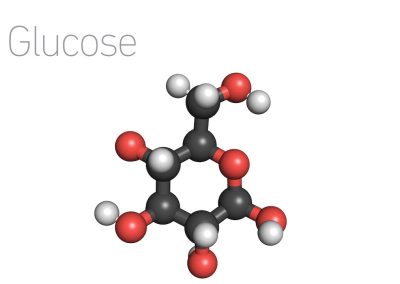
If you think of body fat as an enemy, gluconeogenesis can be an ally. But only up to a point—if your body deems it necessary, it will break protein down to produce glucose, even if that protein has to be extracted from your muscle tissue.
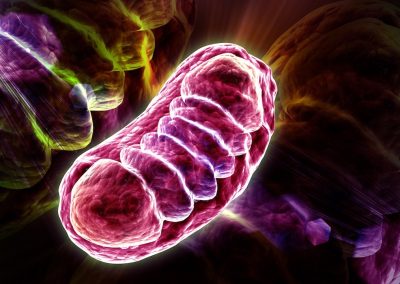
Why is it so hard to lose weight and keep it off? Weight loss often leads to declines in our resting metabolic rate—how many calories we burn at rest, which makes it hard to keep the weight off.
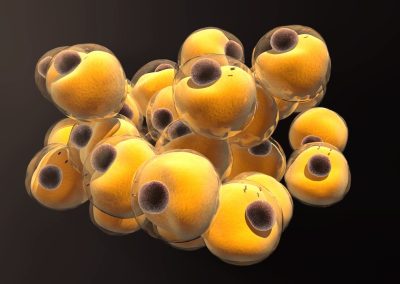
When we digest the food we eat, the fats in the food are broken down into their parts, and fatty acids move through the intestinal walls, into the body.
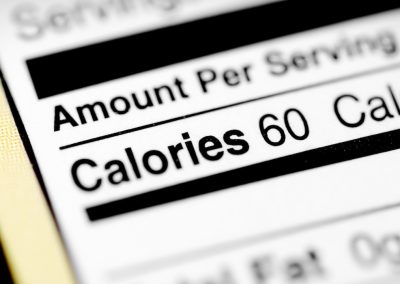
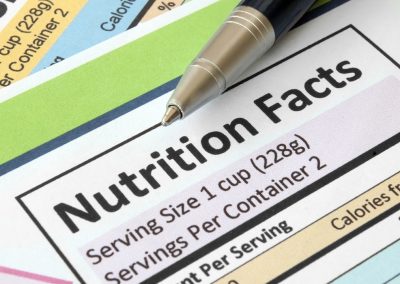
When evaluating a product at the grocery store, ignore the pretty packaging and any claims on the front of the package. Instead, flip the package over to inspect the nutrition facts label, and look at the ingredients.
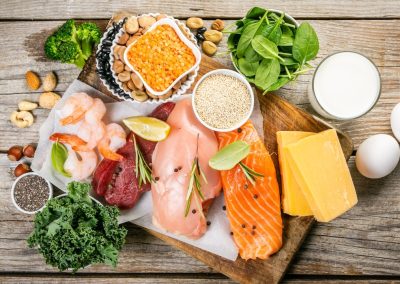
There are around 20 different kinds of amino acids, each made of carbon, hydrogen, oxygen, and nitrogen (and sometimes sulfur) atoms in a specific arrangement. These are the building blocks of proteins.
We found that 30 minutes of daily exercise decreased the risk of early death by up to 80% for those who also spent less than seven hours a day sitting.