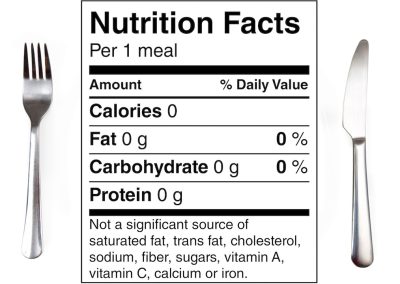
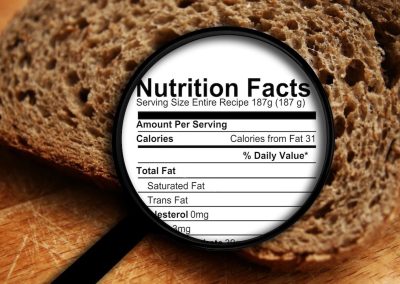
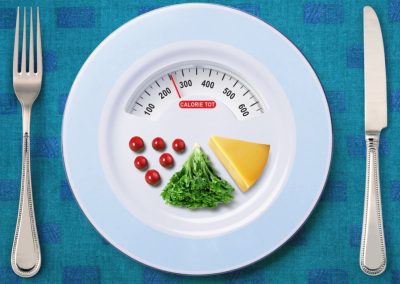
There are three major categories of nutrient content claims, and we’re going to talk about two of them in this article. To understand the categories, it is important to understand the difference between a food, an ingredient, and a nutrient.
When we eat sugar in its simplest form, such as sucrose (a combination of a glucose and fructose molecule), there is no chain to break down. So instead, a flood of sugar is released into the bloodstream all at once. We often feel this as an energy rush.
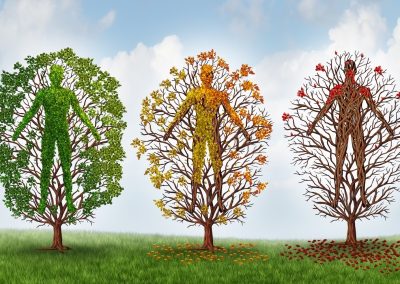
Researchers wanted to find out how the varying degrees of insulin resistance in three groups at the start of a study might correspond with long-term health problems.
All health claims are supposed to be based on what is deemed “substantial” evidence, but even when there is such evidence it doesn’t necessarily mean that a given food is a healthy choice for an individual.
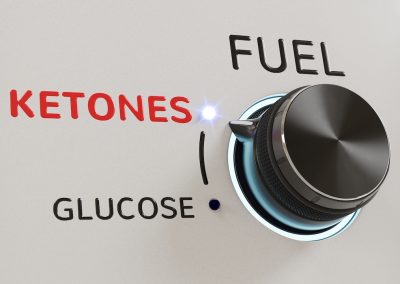
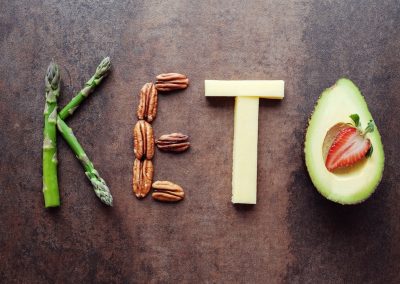
When you’re on a low carbohydrate, high fat diet, the amount of ketones being generated increases to a level that is usually described as a state of ketosis (keto = ketones, osis = a condition).
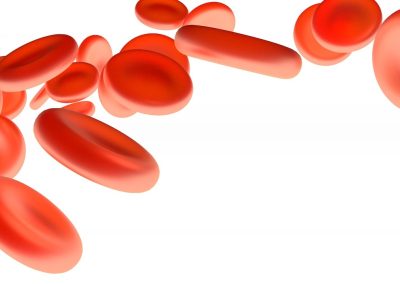
There is a test for average blood glucose over a period of time, because glucose tends to get stuck to certain molecules in your red blood cells (those molecules are called hemoglobin, and their job is to carry oxygen).
Two comprehensive studies concluded that replacing saturated fat with polyunsaturated fat or high-fibercarbohydrates is likely to reduce the risk of heart disease.
A study funded by the Nutrition Science Initiative examined whether the type of calories eaten after weight loss might be more important than the number.