Fundamentals of Health Alliance is a nonprofit public benefit corporation that provides reliable educational resources and programs to help individuals better understand matters related to human health.
Different people derive different amounts of calories from the same food, determined by individual factors. One such factor is the gut microbiome, which varies widely.
Since blood is mostly water (and so is lymph, the other liquid that transports vital substances in your body), how do fatty substances get from one place to another in the body?
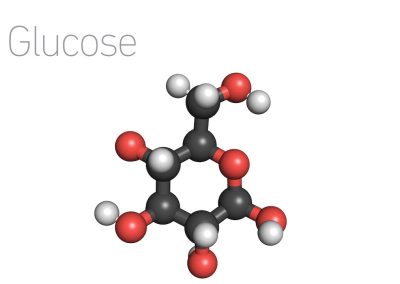
If you think of body fat as an enemy, gluconeogenesis can be an ally. But only up to a point—if your body deems it necessary, it will break protein down to produce glucose, even if that protein has to be extracted from your muscle tissue.
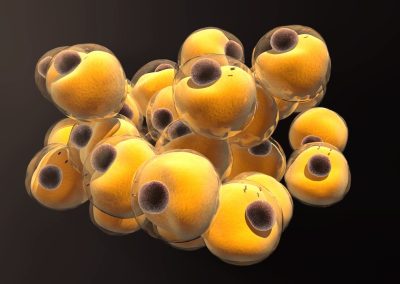
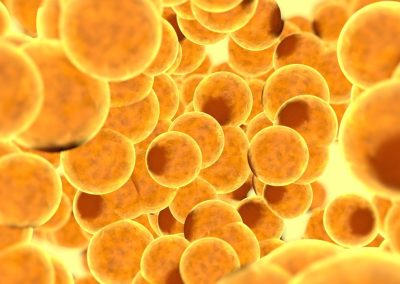
When we digest the food we eat, the fats in the food are broken down into their parts, and fatty acids move through the intestinal walls, into the body.
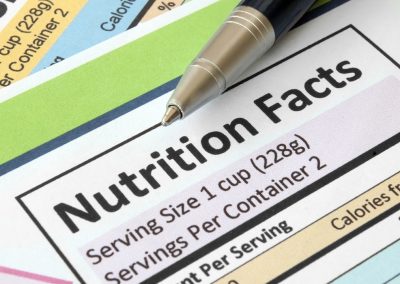
When evaluating a product at the grocery store, ignore the pretty packaging and any claims on the front of the package. Instead, flip the package over to inspect the nutrition facts label, and look at the ingredients.
There are around 20 different kinds of amino acids, each made of carbon, hydrogen, oxygen, and nitrogen (and sometimes sulfur) atoms in a specific arrangement. These are the building blocks of proteins.
Tufts researchers report that the great majority of the meals Americans eat at fast food restaurants are of poor nutritional quality—85 percent of those consumed by children and 70 percent for adults.